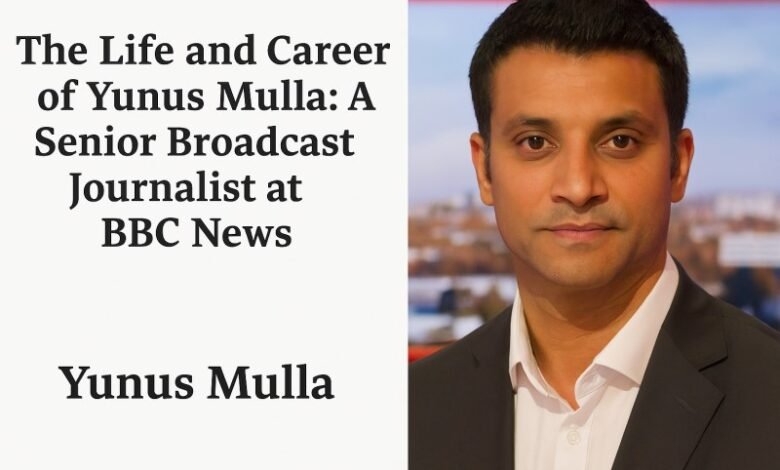

Who is Yunus Mulla?
Yunus Mulla is a prominent figure in contemporary debates surrounding social justice, equality, and inclusive development. Born into a progressive family, his early life was steeped in a cultural environment that cherished education and critical thinking. This foundation laid the groundwork for his later endeavors as a thinker and activist committed to societal transformation.
His educational journey began at a local school, where he developed a passion for learning and questioning societal norms. Following this, Yunus pursued higher education at a prestigious university, specializing in social sciences. Here, he immersed himself in various theories and practices that spurred humanitarian action. Influenced by the works of critical theorists and social reformers, he honed a unique perspective that challenged conventional wisdom.
Yunus Mulla’s motivation to engage in activism stemmed largely from personal experiences with inequality. Witnessing marginalization and injustice in his community ignited a commitment to champion the rights of the underprivileged. These formative experiences shaped his worldview, compelling him to advocate for systemic changes necessary to foster inclusive growth and empower disenfranchised groups.
As he delved deeper into his work, Mulla integrated his academic insights with grassroots activism, marking the beginning of his journey as a thought leader. His early initiatives focused on creating platforms for dialogue and engaging communities in discussions about their rights and responsibilities. These formative years were critical in establishing his reputation as a beacon of hope, inspiring many to rethink their roles in societal progress.
Through a combination of scholarly pursuits, personal experiences, and dedicated activism, Yunus Mulla emerged as a distinctive voice in modern thought, advocating for a more just society. His journey exemplifies the profound impact of individual narratives in shaping broader movements for change.
Yunus Mulla’s Philosophical Contributions
Yunus Mulla, a prominent figure in modern philosophical discourse, has made significant contributions that merit extensive analysis. His work spans various domains, including ethical theory, social philosophy, and political thought, revealing a nuanced understanding of human experience. One of Mulla’s key contributions is his perspective on the nature of reality and the role of individuals within it. He posits that understanding the complexities of human existence requires a synthesis of empirical observation and introspective inquiry. This amalgamation of approaches allows for a more comprehensive grasp of societal issues.
Central to Mulla’s theory is the concept of interconnectedness, which emphasizes the impact of individual actions on the collective whole. This idea is particularly relevant in today’s discourse on social justice and environmental ethics. Mulla argues that ethical considerations must transcend personal morality and encompass broader societal ramifications. His influential work, “Ethics and Interdependence,” explores this theme extensively, reiterating the importance of empathy and cooperative engagement in addressing contemporary challenges.
Furthermore, Mulla’s theories also reflect an evolution in thought, demonstrating adaptability to emerging global concerns. His critique of traditional philosophical paradigms encourages a re-examination of accepted truths, fostering innovation in ethical reasoning. By intertwining his ideas with modern dilemmas such as inequality and climate change, Yunus Mulla asserts that philosophy should actively engage with and respond to the pressing issues of our time.
Through his prolific writings and public engagements, Mulla has positioned himself as a trailblazer who not only articulates philosophical concepts but also incorporates them into actionable frameworks. His legacy is characterized by a commitment to bridging theoretical inquiry with practical implementation, ensuring that his work remains relevant in an ever-evolving intellectual landscape. The relevance of Yunus Mulla’s perspective continues to resonate, inviting further exploration and discourse in the philosophical community.
Yunus Mulla’s Social Activism
Yunus Mulla has established himself as a prominent figure in social activism, advocating for numerous causes that aim to uplift marginalized communities. Recognized for his commitment to social justice, Mulla’s activism encompasses a variety of initiatives, focusing particularly on education, healthcare access, and environmental sustainability. His multi-faceted approach ensures that he addresses the root causes of societal issues while mobilizing communities to partake in transformative actions.
One of Mulla’s key strategies in promoting social change involves grassroots mobilization. Through workshops, community meetings, and social media campaigns, he engages individuals directly, empowering them with the tools and knowledge necessary to advocate for their own rights. For instance, his collaboration with local schools in underprivileged areas has led to improved educational resources and mentorship programs aimed at fostering youth development. This engagement serves not only to uplift individuals but also to create a lasting impact within communities. Mulla’s emphasis on collaborative efforts often results in successful partnerships with other organizations, amplifying the reach and effectiveness of his initiatives.
However, the journey has not been devoid of challenges. Yunus Mulla has faced resistance from various factions that are opposed to the changes he promotes. Additionally, navigating bureaucratic obstacles and securing funding for ambitious projects has tested his resolve. Despite these hurdles, Mulla remains undeterred, consistently displaying resilience and adaptability. His ability to pivot strategies in response to opposition demonstrates both his commitment to the causes he supports and the pragmatic tactics he employs. By leveraging public support and raising awareness about critical issues, Mulla continues to champion causes that enhance individual empowerment and community resilience.
The Legacy of Yunus Mulla
The legacy of Yunus Mulla serves as a profound testament to the transformative power of thought and action. His pioneering ideas continue to resonate across various domains, inspiring not only contemporary thinkers but also future generations. Mulla’s contributions have transcended traditional boundaries, establishing him as a significant figure in modern thought. His philosophical inquiries challenge individuals to reconsider the frameworks within which they operate, fostering a deeper understanding of their societal roles.
One of the key aspects of Mulla’s legacy is his commitment to activism. He emphasized the importance of addressing social injustices and advocating for change. Through various initiatives, Mulla has set an example for those who strive to make a difference in their communities. His insistence on the need for thoughtful engagement and active participation in societal issues serves as a reminder that change is not only possible but imperative. Mulla’s work underscores the necessity of balancing theoretical perspectives with practical applications, bridging the gap between thought leadership and action.
Looking forward, the philosophies advanced by Yunus Mulla provide a rich foundation for further exploration. Future generations of thinkers and activists can build upon his insights, adapting them to contemporary challenges while remaining true to the core principles that Mulla championed. His focus on critical thinking and ethical considerations encourages individuals to engage meaningfully with the world around them, prompting a sense of responsibility towards collective well-being.
As we reflect on the enduring impact of Yunus Mulla, it is essential for readers to consider their own potential for influence. Engaging with his work fosters not only personal growth but also a commitment to contribute positively to society. By learning from trailblazers like Mulla, individuals can identify how their actions might echo throughout time, participating in the ongoing dialogue about philosophical, social, and ethical progress.