Introduction
Have you ever stared at a dashboard full of numbers and thought, “Okay… but what does any of this actually mean?” Yeah, we’ve all been there. That’s exactly where dstats steps in. Whether you’re a gamer curious about server performance, a Linux user monitoring system activity, or someone managing real-time data streams, dstats can make your life a whole lot easier.
And trust me—once you understand how it works, you’ll wonder how you ever lived without it.
What Is Dstats, Really?
To be honest, “dstats” can sound a little intimidating, especially if you’re new to analytics or system monitoring. But here’s the interesting part: it’s actually a pretty friendly tool.
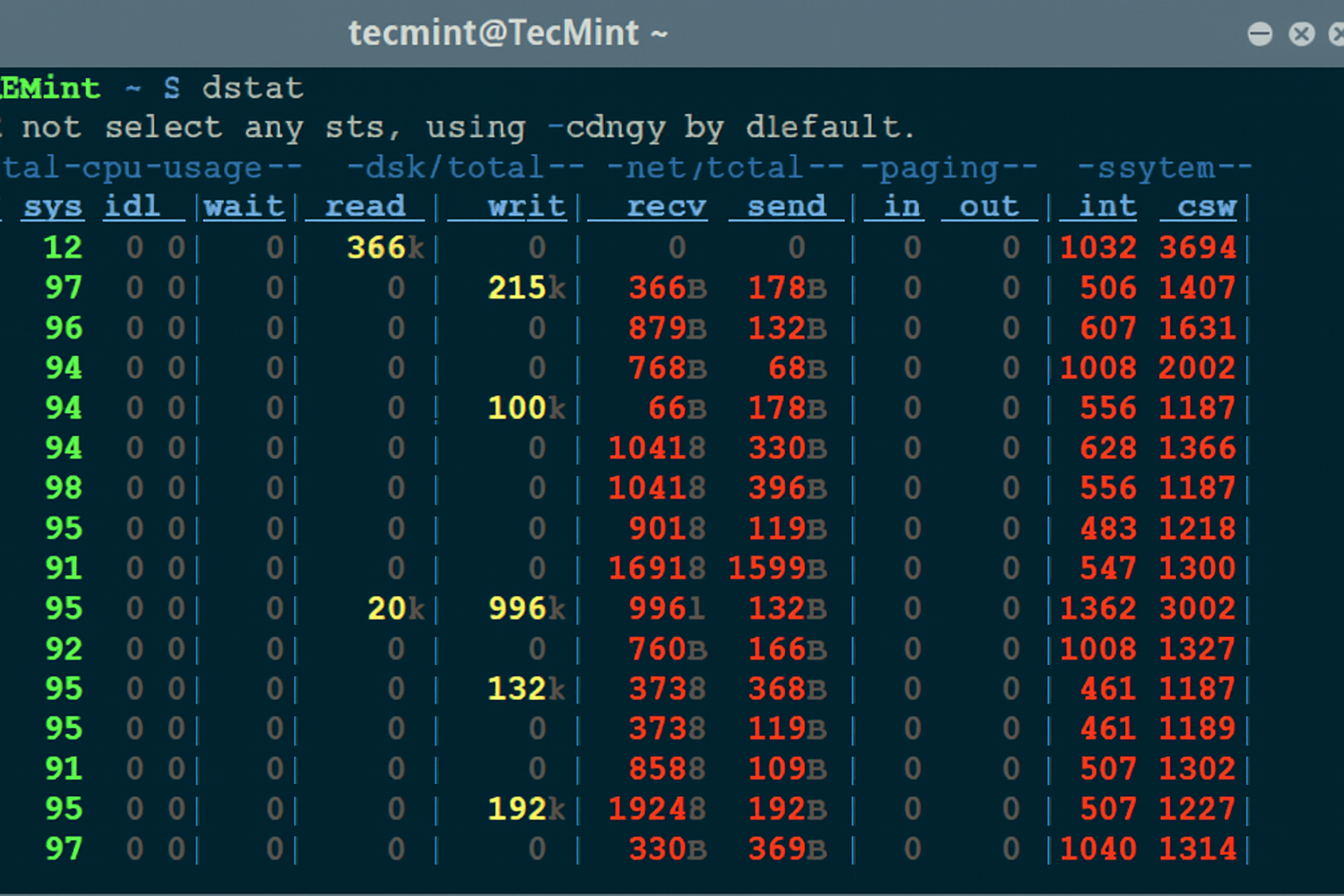
Dstats (or dstat) is essentially a real-time resource monitoring and statistics tool, often used in:
- Server management
- System performance tracking
- Game servers
- Data analytics
- Load testing
- Application monitoring
Think of it as a supercharged version of those basic built-in tools that only tell you half the story. Dstats brings everything together—CPU, RAM, disk usage, network traffic, I/O, and more—in one clean, readable format.
Why People Love Using Dstats
1. It Shows Real-Time Data Without Confusion
Some monitoring tools overwhelm you with charts, graphs, alerts, and fancy animations. Dstats? It keeps things simple, clean, and insanely fast. You get the numbers you need right now—no waiting, no digging.
2. It Helps You Troubleshoot Faster
Ever had a program freeze and wondered if it was your RAM? Or your CPU? Or something deep in the system you didn’t even know existed?
With dstats, you can spot spikes and weird behavior instantly.
3. It Works for Almost Anything
Whether you’re testing a website under load or monitoring a game server for lag, dstats adapts beautifully. It’s flexible, lightweight, and compatible with a wide range of environments.
How Dstats Works (Explained Simply)
H2: Breaking Down the Basics
H3: CPU Usage
Dstats helps you see which processes are eating up your processor. If something suddenly jumps to 99%—well, now you know why your fan sounds like it’s trying to take off.
H3: Memory Consumption
It tells you how much RAM your apps are using, which is super helpful when something is slowly draining your system without you noticing.
H3: Disk and I/O
If your computer feels sluggish, disk activity is often the culprit. Dstats shows you read/write speeds and bottlenecks instantly.
H3: Network Traffic
Monitoring upload/download rates helps you spot:
- Server lag
- Possible cyberattacks
- Heavy traffic spikes
- Misbehaving apps sending data
You know… all the fun surprises.
Tips for Getting the Most Out of Dstats
1. Combine It With Logging Tools
You can log dstat output to compare performance over time. This is perfect when you’re optimizing servers or apps.
2. Use Filters to Focus on What Matters
Don’t stare at a wall of numbers. Filter CPU only, or network only, depending on what you actually care about.
3. Run It During Performance Tests
Load testing + dstat = instant insight into what’s breaking and where.
4. Pair It With Alerts (If Available)
Some versions of dstat work well with external alerting systems. That way, you’re notified before things get ugly.
Real-World Example: Why Dstats Saves the Day
Let’s say you’re running a Minecraft server for your friends. Everything seems fine until—BOOM—lag hits. Everyone’s yelling, blocks are glitching, and you have no idea why.
You fire up dstats and notice:
- CPU spikes every 30 seconds
- Memory slowly creeping up
- Disk usage hitting 100% during autosaves
Suddenly, you know exactly what to fix. And in minutes, everything is running smoothly again.
That’s the power of clear real-time data.
Conclusion
So, whether you’re a casual user, a system admin, or someone who just loves understanding what’s happening behind the scenes, dstat is like having a personal performance detective. It tells you what’s wrong, helps you fix bottlenecks, and gives you confidence in your system’s health.
If you want smoother performance, faster troubleshooting, and way fewer surprises, give dstats a try. Your future self will thank you.
FAQs About Dstats
1. What is dstats used for?
Dstat is used for real-time monitoring of CPU, RAM, disk, network, and system performance metrics in a clean, unified format.
2. Is dstats better than built-in system monitors?
In many cases, yes. It displays more data at once, updates quickly, and allows deeper analysis during performance testing.
3. Can beginners use dstats?
Absolutely. The interface is simple, and once you understand the basic numbers, the tool becomes incredibly intuitive.
4. Is dstats good for servers and game hosting?
Definitely. It’s one of the best lightweight ways to monitor resource usage and diagnose lag, crashes, or performance drops.