
Canadian homes feature a wide range of flooring types. Climate, lifestyle, and regional preferences all shape these choices. As automated cleaning becomes more common, flooring materials now play a key role in how people plan their cleaning routines.
Different surfaces collect dirt in different ways. Some trap dust, while others show debris clearly. Understanding flooring types helps households adjust automated cleaning strategies for better results.
Automated cleaning works best when it matches the surface it maintains. Floors influence movement, suction needs, and cleaning frequency. For many Canadians, flooring is now a major factor in automation decisions.
Hardwood Flooring and Cleaning Efficiency
Hardwood floors are popular across many Canadian homes. They offer a warm look and are easy to match with interior styles. However, they show dust and hair very quickly.
Automated cleaning on hardwood focuses on frequent light maintenance. Loose debris spreads easily on smooth surfaces. Regular passes help prevent buildup and reduce manual sweeping.
Dust and Seasonal Debris
Canada’s changing seasons bring unique challenges. Snow, salt, and fine grit often enter homes during winter. On hardwood floors, these particles can scratch surfaces if ignored.
Automated cleaning strategies often emphasize daily or near-daily cycles. This keeps abrasive debris from lingering too long. Gentle but consistent cleaning is key for wood surfaces.
Laminate Flooring in Modern Homes
Laminate flooring is common in condos and rental units. It is durable and cost-effective. Many young households prefer it for its easy care.
Laminate handles automation well because of its flat structure. Dirt stays on the surface instead of embedding deeply. This allows automated cleaners to perform efficiently.
Managing Spills and Fine Particles
While laminate resists stains, moisture can still cause damage. Automated cleaning strategies often avoid excess water. Dry cleaning and light damp passes are usually preferred.
Fine dust from daily activity gathers quickly. Consistent automated cleaning prevents dullness and keeps floors looking fresh without heavy effort.
Tile Flooring and Regional Preferences
Tile floors are common in entryways, kitchens, and bathrooms. In some regions, they help manage wet conditions and temperature changes. Their durability makes them suitable for heavy traffic.
Tiles have grout lines that trap dirt. Automated cleaning must account for uneven surfaces. Repeated passes help lift debris from grooves over time.
Handling Grout and Texture
Grout lines collect dust and small particles easily. This requires more focused cleaning patterns. Automation strategies often rely on slower movement in tiled areas.
Frequent cleaning helps prevent discoloration. For many Canadian households, automation reduces the need for intensive scrubbing sessions.
Carpeted Floors and Insulation Needs
Carpet remains popular in bedrooms and colder regions. It provides warmth and sound insulation during long winters. However, it also traps dust, hair, and allergens.
Automated cleaning strategies for carpet focus on deeper debris removal. Suction strength and repeated coverage matter more than speed. Regular automation supports indoor air quality.
Managing Pet Hair and Allergens
Many Canadian homes include pets. Carpeted floors collect hair quickly. Automated routines help manage this daily challenge.
Consistent cleaning reduces allergens between deep cleans. This makes automation appealing for households with children or pets.
Mixed Flooring and Smart Navigation
Many Canadian homes use more than one flooring type. Open layouts often combine hard floors with carpets or rugs. This creates unique cleaning challenges.
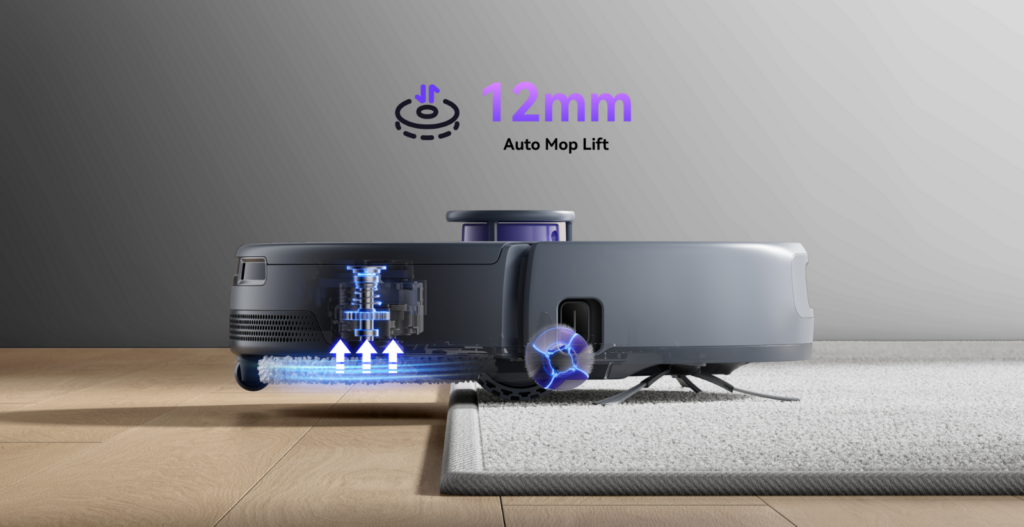
Automation works best when strategies adapt to each surface. Transition areas need special attention. Smooth movement between floor types improves overall efficiency.
Adjusting Cleaning Frequency
Hard floors may need frequent light cleaning. Carpets may need fewer but deeper sessions. Automated routines often reflect these differences.
This flexibility is one reason many households adopt a robot vacuum. It allows cleaning plans to match flooring needs without manual effort.
Climate Impact on Floor Maintenance
Canada’s climate strongly affects flooring care. Winter brings salt, moisture, and debris indoors. Summer adds dust and pollen.
Automated cleaning strategies often change with the seasons. Increased frequency during winter helps protect floors. Lighter routines may work during drier months.
Long-Term Benefits of Flooring-Aware Automation
When automated cleaning matches flooring types, results improve. Floors stay cleaner, and wear is reduced. Households also save time and energy.
This approach supports better home hygiene year-round. It also extends the life of flooring materials. For many Canadians, this makes automation a practical choice.
Conclusion
Canadian flooring types directly influence automated cleaning strategies. From hardwood to carpet, each surface requires a different approach. Climate and lifestyle add further complexity.
By aligning automation with flooring needs, households achieve better results. This thoughtful approach explains why automated cleaning continues to grow across Canada.