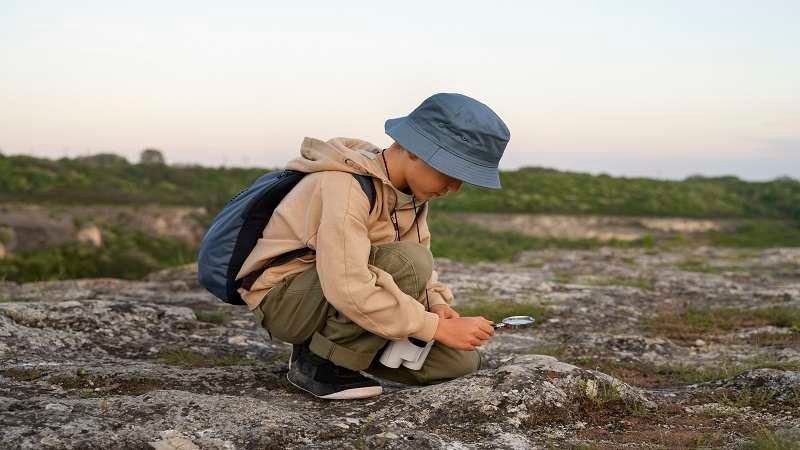

The Allure of Daskusza: Why Exploration Matters
The concept of Daskusza exploration captivates the human spirit, drawing individuals from various backgrounds to the uncharted and unknown. At its core, exploration represents a fundamental human drive—the desire to discover, learn, and connect with the world around us. Cultural motivators often play a significant role in this phenomenon. Throughout history, cultures have celebrated exploration, viewing it as a means of acquiring knowledge and expanding the boundaries of their existence. The stories of explorers seeking new lands or civilizations often fuel a collective fascination, inspiring generations to embark on similar adventures.
From a scientific perspective, Daskusza exploration contributes greatly to the advancement of knowledge. The pursuit of understanding new environments, whether terrestrial or celestial, allows researchers to gather critical data that informs our understanding of the world. For example, contemporary scientific expeditions into remote areas have uncovered diverse ecosystems and unique life forms, enriching our comprehension of biodiversity and the importance of preservation. The findings from such explorations not only augment academic knowledge but also promote awareness regarding the impacts of climate change and human activity on these fragile ecosystems.
On a personal level, the allure of exploring Daskusza can also be tied to self-discovery and personal growth. Many individuals embark on explorations not just in search of new horizons but also as a way to confront their own limitations and fears. The act of stepping into the unknown fosters resilience, adaptability, and a deeper connection with their own identity. These experiences often become profound stories, intertwined with the landscapes they traverse, highlighting the intrinsic link between exploration and human experience.
Ultimately, Daskusza exploration embodies a tapestry of motivations—cultural, scientific, and personal. The impact of navigating the unknown extends beyond mere curiosity; it is about forging connections, expanding horizons, and ultimately progressing humanity as a whole through the rich narratives and discoveries that emerge from each journey.
The Tools and Techniques in Daskusza Exploration
Daskusza exploration is an intricate process that employs a variety of tools and technologies to navigate its uncharted territories. Traditional navigational instruments, such as compasses, sextants, and maps, provide foundational support for explorers. These age-old tools facilitate basic positioning and orientation, essential for any expedition into the unknown. However, as the scope of exploration has evolved, so too have the tools and methodologies utilized.
Modern technology has introduced sophisticated alternatives that enhance efficiency and accuracy during Daskusza exploration. Drones, for example, offer the ability to survey large areas with minimal ground disturbance. Equipped with high-resolution cameras and sensors, drones can capture real-time data, providing invaluable insights into topography and environmental conditions. The use of drones not only streamlines operations but also significantly reduces the risks associated with on-the-ground exploration.
Geographic Information Systems (GIS) represent another major advancement in the field. GIS technology enables explorers to analyze spatial data, integrate various data sources, and visualize information through layered maps. This analytical tool is crucial for understanding geographical features and making informed decisions about routes and site assessments. By employing GIS in Daskusza exploration, researchers can forecast potential hazards and optimize their plans accordingly.
Data collection and analysis techniques further enhance the capabilities of explorers. Utilizing remote sensing, researchers can gather information about vegetation, soil types, and water resources without direct access to the terrain. This approach enhances safety by minimizing the need for ground surveys in potentially hazardous locations. Moreover, the integration of artificial intelligence and machine learning allows for the processing of vast datasets, revealing patterns and correlations that may not be immediately apparent.
Through the continuous development and adoption of these tools and methodologies, Daskusza exploration is not only becoming safer and more efficient, but it is also opening doors to previously unreachable knowledge about the landscape and ecology of this enigmatic region.
Challenges Faced in Daskusza Exploration: Overcoming the Odds
Embarking on a journey into the uncharted realms of Daskusza exploration presents a unique array of challenges that can test even the most seasoned explorers. One of the foremost hurdles is the unpredictable environmental conditions characteristic of the region. Explorers must contend with sudden weather changes, treacherous terrain, and the presence of wildlife, each posing potential risks to safety and progress. Preparing for such variables is essential; meticulous planning, including studying weather patterns and the geography of the area, can greatly mitigate these risks.
Moreover, logistical hurdles are a significant concern in Daskusza exploration. The remoteness of the area often limits access to necessary supplies and resources. Explorers must devise clever strategies to transport food, equipment, and other essentials while ensuring their safety in the process. Often, forming alliances with local communities or utilizing technology such as drones for transport can facilitate movement and ensure that vital supplies reach explorers despite challenging circumstances.
Psychological obstacles also play a critical role during these extensive explorations. The isolation and uncertainty of being in uncharted territory can lead to feelings of anxiety and stress. Maintaining mental resilience is crucial; explorers are encouraged to employ mindfulness techniques and foster a strong team dynamic to support one another during difficult times. Sharing experiences and fostering camaraderie strengthens bonds and helps to alleviate tension among team members, paving the way for a more cohesive approach to problem-solving.
Among the anecdotes that exemplify these challenges, many expeditions have recounted remarkable tales of ingenuity and determination. For instance, one group navigated through a sudden storm by collaboratively constructing makeshift shelters, showcasing their adaptability in the face of adversity. Daskusza exploration, while fraught with difficulties, ultimately brings out the resilience of the human spirit, further enabling explorers to overcome obstacles as they push the boundaries of their discoveries.
The Future of Daskusza Exploration: New Horizons Ahead
The landscape of Daskusza exploration is poised for significant transformation, driven by emerging trends and innovative methodologies. As scientists and researchers continue to unveil the mysteries of this uncharted territory, the focus has shifted towards sustainable exploration practices. These practices not only prioritize environmental preservation but also aim to reduce the ecological impact typically associated with exploratory activities. The integration of advanced technologies, such as satellite imaging and remote sensing, has opened new avenues for understanding the region’s complex ecosystems without intrusive methods.
Moreover, the potential areas for discovery within Daskusza are vast. The region is rich in biodiversity and may house undiscovered species, unique geological formations, and ancient cultural artifacts, all waiting to be explored. The commitment to exploring Daskusza responsibly lies in recognizing the importance of these discoveries, as they can significantly contribute to scientific knowledge and cultural heritage. Collaborative efforts among scientists, governments, and local communities will play a pivotal role in unlocking these treasures while ensuring their protection for future generations.
Key stakeholders must work together to create frameworks that support ethical and sustainable practices in Daskusza exploration. By engaging local communities, we can harness traditional knowledge that informs modern scientific endeavors, promoting a harmonious balance between discovery and conservation. Educational initiatives aimed at raising awareness about the significance of Daskusza and its exploration could further galvanize public interest and investment in the region. This collective approach will not only enhance the exploration process but also foster a sense of ownership among local populations, ensuring that they benefit from the discoveries being made.
As we gaze towards the horizon, the future of Daskusza exploration appears promising, filled with potential and responsibility. Through collaboration and commitment to sustainability, we can navigate this uncharted territory with respect for both the environment and its inhabitants.